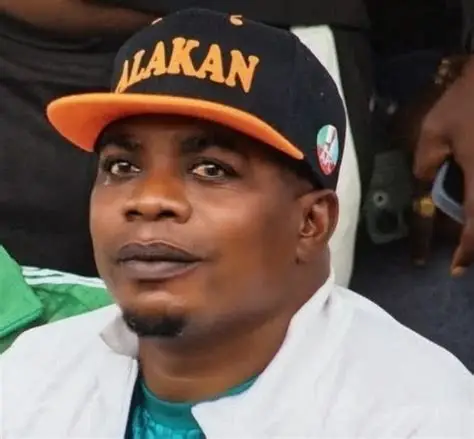
Toba Ajiboye, popularly known as Toba Ijaya or Ijaya, was a Nigerian union leader and transport administrator widely recognized for his influential role in the National Union of Road Transport Workers (NURTW), Lagos State Council. Best known for serving as the union’s Organising Secretary, Ajiboye played a key role in coordinating transport union activities, promoting member welfare, and strengthening the road transport sector in Lagos State.
His leadership earned him respect within the union and among transport operators across the state. Until his untimely death in July 2026, he remained an active figure in organized transport administration and grassroots union affairs.
Born and raised in the bustling Fadeyi area of Lagos, Toba Ijaya built a reputation as a dedicated, loyal, and committed leader within the transport union. His influence extended beyond union duties into community and political circles, where he earned respect for his steadfast support and organizational skills. His life reflected the realities of grassroots leadership in Nigeria’s dynamic transport industry, marked by service, loyalty, and community ties until a violent attack ended it abruptly.
Toba Ijaya Early Life and Background
Toba Ajiboye was born in Lagos, Nigeria. He spent his formative years in the Fadeyi community, a vibrant neighborhood known for its mix of residential and commercial activities along key routes like the Ikorodu Road corridor. Fadeyi served as both his childhood home and a place of deep personal connection throughout his life.
Details about his exact date of birth remain limited in public records, but he grew up in a typical Lagos environment shaped by the hustle of urban life, community networks, and the transport sector that would later define his career. As a young man, he developed strong ties to his childhood neighborhood, which he continued to visit regularly. These roots in Fadeyi fostered his understanding of local dynamics, street-level challenges, and the needs of everyday workers in Lagos.
Lagos State, his primary base, stands as Nigeria’s economic powerhouse and commercial nerve center. It features a dense population, heavy traffic, and a massive informal transport system reliant on buses, taxis, and motorcycles. Toba Ijaya’s early exposure to this ecosystem likely influenced his path into union activities. The state encompasses diverse ethnic groups, with significant Yoruba influence alongside migrants from across Nigeria. Fadeyi and surrounding areas like Ketu reflect this multicultural fabric, where community leaders often bridge gaps between residents, workers, and authorities.
His background in this setting equipped him with practical knowledge of transport operations, from park management to worker welfare. Like many unionists of his generation, Toba rose through hands-on experience rather than formal high-profile entry, building credibility among peers through reliability and direct involvement in daily union matters.
Toba Ijaya Education
Public information on Toba Ijaya’s formal education is sparse, consistent with many grassroots leaders in Nigeria’s transport sector who prioritize practical skills and on-the-job learning. He likely received basic education in Lagos schools, gaining literacy and numeracy skills essential for union administration, record-keeping, and leadership roles. In the NURTW context, such leaders often supplement formal schooling with informal training in negotiation, conflict resolution, and organizational management learned through mentorship and experience.
His ability to navigate complex union politics and maintain loyalty within structures like TeamSego suggests strong interpersonal and strategic abilities honed over years. Education for figures like Toba Ijaya frequently blends classroom basics with real-world apprenticeships in the transport business, including roles as conductors, drivers, or park agents.
Toba Ijaya Career
Toba Ijaya dedicated much of his professional life to the National Union of Road Transport Workers (NURTW), rising to the position of Organising Secretary for the Lagos State Council. The NURTW represents millions of transport workers across Nigeria, handling issues like park management, member welfare, dispute resolution, and engagement with government on transport policies. In Lagos, the union plays a critical role in managing the state’s chaotic but vital road transport network.
As Organising Secretary, Toba Ijaya focused on mobilizing members, coordinating activities, and ensuring smooth operations within the union structure. He earned praise for his commitment, loyalty, and contributions to strengthening the Lagos chapter. Colleagues described him as a pillar who went beyond official duties to build personal relationships and support broader political and organizational goals.
Union Leadership and Contributions
Toba Ijaya’s career involved navigating the competitive and sometimes turbulent world of Lagos transport unions. He worked closely with leaders like Mustapha Adekunle (Sego), the Lagos State NURTW Chairman, becoming a trusted ally and key member of TeamSego and SegoNation. His role included organizing workers, addressing grievances, and promoting unity within the union.
The transport sector in Lagos demands resilience due to traffic congestion, regulatory challenges, and competition among operators. Toba Ijaya’s effectiveness stemmed from his deep community roots in Fadeyi and practical knowledge of ground-level issues. He helped maintain order in parks and supported initiatives benefiting members, such as welfare programs and political advocacy.
Achievements in the Transport Sector
Toba Ijaya contributed to the stability and growth of the NURTW Lagos Council through dedicated service. His efforts in member organization and loyalty to leadership structures earned him respect across the union. In a sector often marked by disputes, his steadfastness provided continuity and strength to the organization.
He played a part in broader political alignments linked to the union, supporting initiatives under leaders like Sego. His work reinforced the NURTW’s influence in Lagos politics and economy, where transport unions wield significant sway over commercial activities and voter mobilization.
Toba Ijaya Personal Life
Toba Ijaya maintained strong connections to his Fadeyi roots, regularly visiting the neighborhood where he grew up. He was known as a family man and community figure, with tributes highlighting his role as a brother and father figure to many. His burial drew emotional responses from family, union members, and residents.
He navigated Lagos life with a balance of union responsibilities and personal ties. Reports from his burial noted involvement from both Christian and Islamic clerics, sparking discussions about his inclusive approach to faith and community relations. This reflects the religious diversity common in Lagos and his ability to foster broad connections.
Family and close associates remembered him for loyalty, patience, and dedication. His sudden death left a void, with children and relatives expressing profound loss in public tributes.
Toba Ijaya State of Origin and Community Ties
Toba Ijaya was deeply rooted in Lagos State, particularly the Fadeyi area in what is now part of Lagos Mainland. Lagos, Nigeria’s former capital and commercial hub, originated as a fishing and trading settlement that grew into a megacity. Its history includes Portuguese exploration, British colonial rule, and post-independence expansion. The state features Yoruba cultural dominance alongside influences from other Nigerian groups due to migration.
Fadeyi and nearby communities like Ketu represent typical Lagos neighborhoods with markets, residential zones, and heavy transport activity. Toba Ijaya’s lifelong association with Fadeyi underscored his identity as a local son who rose through the ranks while staying connected to his origins. This grounding enhanced his credibility among transport workers and residents facing similar urban challenges.
Toba Ijaya Legacy in the Transport Union
Toba Ijaya’s legacy lies in his embodiment of dedicated service within the NURTW. In an industry vital to Lagos’ economy, moving goods and people daily, he represented the voice of ordinary workers. His organizational skills and loyalty helped sustain union structures amid pressures.
The violent circumstances of his death highlighted ongoing security issues in parts of Lagos, prompting police investigations and community concerns. Yet, his contributions continue to inspire discussions on leadership, worker rights, and union governance in Nigeria’s transport sector.
Read Also: Ebiere Soberekon Biography: Age, State of Origin, Husband, Wedding Day, Career, Net Worth & Family
Conclusion
Toba Ajiboye, known as Toba Ijaya, lived a life of service in Lagos’ transport union landscape. From his Fadeyi beginnings to his role as NURTW Organising Secretary, he demonstrated commitment, loyalty, and community focus. His passing in 2026 marked the end of a chapter for many who relied on his leadership, but his impact on union members and local ties endures. He exemplified grassroots dedication in one of Nigeria’s most challenging and essential sectors.
FAQs
Who was Toba Ijaya?
Toba Ijaya, whose full name was Toba Ajiboye (also referred to as Joel Ajiboye Toba), served as the Organising Secretary of the NURTW Lagos State Council. He was a respected union leader known for his loyalty and community engagement in Fadeyi, Lagos.
How did Toba Ijaya die?
He succumbed to gunshot injuries sustained in an attack by unidentified gunmen on July 12, 2026, while returning from Fadeyi along the Ikorodu Road area. He passed away on July 14, 2026.
What was Toba Ijaya’s role in NURTW?
As Organising Secretary, he coordinated union activities, mobilized members, and supported leadership initiatives under Chairman Mustapha Adekunle (Sego).
Where was Toba Ijaya from?
He was from Lagos State, Nigeria, with strong ties to the Fadeyi community where he was born and raised.
What impact did Toba Ijaya have on his community?
He served as a bridge between transport workers and local residents, earning gestures like school closures in his honor and tributes highlighting his role as a dependable community figure.