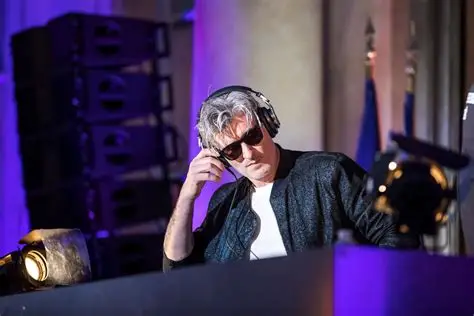
Kavinsky, born Vincent Pierre Claude Belorgey, was a French electronic musician, DJ, record producer, songwriter, and former actor whose work played a defining role in the global rise of synthwave. Renowned for fusing nostalgic 1980s-inspired synthesizers with contemporary electronic production, he crafted a cinematic sound influenced by classic action films, arcade games, neon-lit cityscapes, and vintage sports cars. His international breakthrough arrived with “Nightcall,” the haunting single featured prominently in the 2011 film Drive, introducing millions of listeners to his distinctive musical style.
Over the years, Kavinsky established himself as one of the genre’s most influential artists through acclaimed releases such as OutRun and Reborn, while collaborating with leading producers and performers across the electronic music scene. His fictional stage persona, portrayed as a lone driver who returns from a fatal crash to roam the night, became an iconic part of his artistic identity and helped distinguish his performances from those of his contemporaries.
Interest in Kavinsky’s life and career surged following reports of his death on 28 July 2026 at the age of 50. The news prompted an outpouring of tributes from musicians, fans, and industry figures who praised his creativity, innovation, and lasting influence on electronic music. As listeners revisit his catalogue, many continue to recognize Kavinsky as one of the artists who transformed synthwave from a niche style into a globally recognized musical movement. This biography explores Kavinsky’s early life, age, career, education, family, net worth, death, and legacy.
Quick Facts
| Quick Facts | Details |
|---|---|
| Full Name | Vincent Pierre Claude Belorgey |
| Stage Name | Kavinsky |
| Nationality | French |
| Occupation | Musician, DJ, Record Producer, Songwriter, Former Actor |
| Genres | Synthwave, Electronic, Electro House |
| Known For | “Nightcall” and pioneering modern synthwave |
| Breakthrough Song | Nightcall (2010) |
| Notable Albums | OutRun (2013), Reborn (2022) |
| Years Active | 2005–2026 |
| Famous Stage Persona | A supernatural driver inspired by 1980s action films |
| Place of Birth | France |
| Date of Death | 28 July 2026 |
| Age at Death | 50 years |
| Estimated Net Worth | Not publicly confirmed |
| Legacy | Widely regarded as one of the leading figures responsible for popularizing synthwave worldwide. |
Kavinsky Early Life and Background
Vincent Pierre Claude Belorgey, professionally known as Kavinsky, was born on July 31, 1975, in Seine-Saint-Denis, France. He grew up in a suburb of Paris during a time when electronic music, action films, and arcade games were becoming popular across Europe. From an early age, he developed a fascination with the visual style and music of the 1980s. These childhood interests later became the foundation of his signature sound and artistic identity.
Kavinsky spent much of his youth watching classic action movies, science fiction films, and animated television series. He was also passionate about fast sports cars, racing culture, and video games, all of which inspired the futuristic atmosphere heard in his music. Although he did not receive formal musical training, he explored different creative interests and gradually taught himself music production. Before becoming a musician, he worked as an actor and appeared in several French films, an experience that helped shape the cinematic storytelling found in his later work.
His early experiences led him to create the fictional character known as Kavinsky, a mysterious driver who dies in a car crash and returns from the dead to produce electronic music. This unique concept became central to his career and distinguished him from other artists in the electronic music scene. By combining his love for retro culture with modern production techniques, Kavinsky transformed his childhood influences into a distinctive musical style that would eventually earn him international recognition.
Kavinsky Education and Qualifications
Kavinsky did not attend a publicly known music school or conservatory, and there is very little information available about his formal education. He completed his early education in France before pursuing creative interests, but he has chosen to keep most details about his academic background private. Unlike many professional musicians, his qualifications were not built around formal music degrees or specialized training.
Instead of following a traditional educational path in music, Kavinsky developed his skills through self-learning and constant experimentation. He spent years studying electronic sounds, synthesizers, drum machines, and music production techniques on his own. His love for 1980s films, video games, and electronic music became an important part of his learning process and helped him create a unique artistic style. These practical qualifications proved just as valuable as formal education in shaping his career.
Kavinsky’s success demonstrates that creativity, dedication, and continuous learning can be as important as academic qualifications in the music industry. His ability to produce cinematic electronic music earned him international recognition and respect from fans and fellow artists. Through years of practice and innovation, he developed the knowledge and experience needed to become one of the leading figures in the synthwave genre, proving that talent and persistence can lead to remarkable achievements.
Career
Kavinsky began his music career in the mid-2000s after leaving acting to focus on electronic music. He quickly attracted attention with his retro-inspired sound, which blended synthesizers, electronic beats, and cinematic storytelling. Drawing inspiration from 1980s films, sports cars, and arcade games, he created a unique musical identity that stood out in the growing electronic music scene. His early work earned praise from fans and producers who appreciated his fresh approach to synthwave.
In 2006, Kavinsky released his debut EP, Teddy Boy, introducing listeners to his signature style and fictional character. He followed this with the 1986 EP in 2007, which further established his reputation as one of France’s most exciting electronic artists. During this period, he worked alongside respected producers such as SebastiAn and became associated with the French electronic music movement. These early releases laid the foundation for a successful international career and showcased the creative qualifications that made him different from many of his contemporaries.
Kavinsky achieved worldwide recognition in 2011 when his song Nightcall was featured in the critically acclaimed film Drive. The haunting track became an international hit and introduced millions of listeners to synthwave music. The song’s success transformed Kavinsky into a global star, leading to increased demand for live performances and festival appearances. Nightcall remains his best-known work and continues to attract new audiences through streaming platforms and film soundtracks.
Building on this success, Kavinsky released his debut studio album, OutRun, in 2013. The album featured songs such as ProtoVision, Odd Look, and Roadgame, combining nostalgic electronic sounds with modern production techniques. OutRun received positive reviews from critics and fans, strengthening his reputation as one of the leading figures in synthwave. His distinctive production style and cinematic approach influenced many upcoming electronic musicians around the world.
After several years away from releasing new albums, Kavinsky made a highly anticipated return with Reborn in 2022. The album demonstrated his continued growth as a producer while staying true to the retro style that defined his career. Over the years, he collaborated with artists including Phoenix, Angèle, SebastiAn, and The Weeknd, expanding his influence across different genres. He also gained global attention by performing Nightcall alongside Phoenix and Angèle during the closing ceremony of the 2024 Paris Olympics. By the final years of his career, Kavinsky had become one of the most respected names in electronic music. His innovative sound, artistic vision, and lasting contributions ensured that his work would continue to inspire future generations of musicians and electronic music fans.
Kavinsky Cause of Death and Death
Kavinsky, whose real name was Vincent Pierre Claude Belorgey, died on July 28, 2026, at the age of 50. He was found dead at his home in Paris, France, after emergency services responded to the residence. The news of his death shocked fans and the global electronic music community, as he had remained an influential figure in synthwave and electronic music following his celebrated performance at the closing ceremony of the 2024 Paris Olympics.
French authorities confirmed that an investigation was opened to determine the exact cause of his death. Initial findings stated that there were no signs of suspicious circumstances or foul play. While some French media outlets reported that he may have suffered a stroke, officials had not officially confirmed a cause of death at the time of reporting, and the investigation was still ongoing.
Following the announcement of his death, tributes poured in from across the music industry and around the world. Fellow musicians, public figures, and millions of fans honored Kavinsky’s contribution to electronic music and celebrated the lasting impact of songs such as Nightcall. His death marked the end of a remarkable career, but his music continues to inspire artists and listeners, ensuring that his legacy will endure for generations.
Kavinsky Personal Life and Family
Kavinsky was known for keeping his personal life away from the public eye. Unlike many celebrities, he rarely gave interviews about his relationships or family, choosing instead to let his music and artistic persona speak for themselves. He maintained a mysterious public image that matched the fictional character behind the name “Kavinsky.” As a result, very little verified information is available about his private life, and he preferred to separate his personal affairs from his professional career.
There are no confirmed public records showing that Kavinsky was married or engaged, and he never publicly identified a wife, fiancée, or long-term romantic partner. Likewise, he did not publicly disclose the names of his parents, siblings, or children. His decision to keep his family out of the spotlight allowed them to maintain their privacy throughout his years of fame. Even as his international popularity grew, he remained consistent in protecting the identities of those closest to him.
Outside of music, Kavinsky had a lifelong passion for classic sports cars, 1980s films, arcade games, and retro pop culture. These interests shaped both his lifestyle and his creative work, becoming the foundation of his signature synthwave sound and visual identity. Friends and collaborators described him as a creative artist who preferred a quiet life away from constant media attention. Although details about his family remain private, his influence on electronic music and the strong connection he built with fans around the world became an important part of his personal legacy.
Kavinsky Age, Religion, Nationality, Height and Physical Appearance
Kavinsky was born on July 31, 1975, in Seine-Saint-Denis, France. He was 50 years old at the time of his death on July 28, 2026, just a few days before his 51st birthday. Throughout his career, he became one of France’s most influential electronic musicians, earning international recognition for his distinctive synthwave sound and cinematic style.
Kavinsky was French by nationality. He never spoke publicly in detail about his religious beliefs, and there is no verified information confirming that he practiced a particular religion. As a result, his religion remains undisclosed. Instead of focusing on his personal beliefs, he devoted much of his public life to music, creativity, and developing the fictional persona that defined his artistic career.
Kavinsky was estimated to stand at about 5 feet 10 inches (178 cm) tall. He had a slim build and was known for his cool, understated appearance. He often wore dark jackets, sunglasses, and casual clothing that complemented his mysterious on-stage character. His signature retro-inspired fashion and confident stage presence became an important part of his image, making him instantly recognizable to fans around the world.
Social Media Presence
Kavinsky maintained an active presence on social media, using his accounts to promote new music, announce performances, and connect with fans around the world. Although he preferred to keep his personal life private, he regularly shared updates about his creative projects, collaborations, and live shows. His online presence reflected the same retro-futuristic style that defined his music and visual identity.
His official Instagram handle, @kavinsky, became one of the main platforms where fans followed his career. Through Instagram, he posted promotional photos, concert announcements, behind-the-scenes moments, and artwork related to his albums and performances. His distinctive aesthetic, inspired by 1980s culture, sports cars, and neon visuals, attracted a dedicated global audience and reinforced his image as one of the leading figures in the synthwave genre.
In addition to Instagram, Kavinsky’s music reached millions of listeners through streaming platforms such as Spotify, Apple Music, and YouTube. Songs including Nightcall, ProtoVision, and Odd Look continue to generate millions of streams, introducing his work to new generations of electronic music fans. Even after his passing, his social media accounts and digital music catalog remain important spaces where fans celebrate his legacy and continue to discover his influential body of work.
Kavinsky Net Worth
At the time of his death in 2026, Kavinsky’s estimated net worth was between $3 million and $5 million. Although he never publicly disclosed his financial assets or annual earnings, this estimate is based on his long career as a musician, DJ, record producer, and songwriter. His success in the electronic music industry, combined with the enduring popularity of his catalog, allowed him to build significant wealth over two decades.
A large portion of Kavinsky’s income came from music sales, streaming royalties, live performances, international tours, and festival appearances. His global hit Nightcall became one of the most recognizable electronic songs of the 21st century, generating millions of streams across digital platforms and earning licensing revenue from films, television, advertisements, and video games. He also earned income from album sales, collaborations with major artists, and production work.
Kavinsky’s financial success reflected both his artistic influence and the lasting appeal of his music. Even after his passing, his recordings continue to generate royalties through streaming services and licensing agreements, meaning his estate is expected to continue receiving income from his work. His commercial achievements, combined with his lasting legacy in synthwave and electronic music, make him one of the most successful French electronic artists of his generation.
Legacy
Kavinsky left behind a lasting legacy as one of the pioneers of modern synthwave music. By blending electronic production with the nostalgic sounds of the 1980s, he created a style that inspired countless musicians around the world. His music stood out for its cinematic atmosphere, memorable melodies, and futuristic storytelling. Through his creativity and originality, he helped transform synthwave from a niche genre into a globally recognized movement.
His greatest contribution to music remains Nightcall, a song that introduced millions of listeners to his work after its appearance in the 2011 film Drive. The track became a cultural phenomenon and continues to influence electronic producers, filmmakers, and music fans. Albums such as OutRun and Reborn further strengthened his reputation as an innovative artist who remained true to his unique vision while continuing to evolve creatively throughout his career.
Following his death in 2026, tributes poured in from fans, fellow musicians, and public figures who celebrated his impact on electronic music. His songs continue to be streamed by millions of listeners, while new generations of artists draw inspiration from his signature sound and visual style. Although his life ended at the age of 50, Kavinsky’s influence on synthwave, electronic music, and popular culture remains strong, ensuring that his work will continue to be appreciated for many years to come.
Read Also: Ebiere Soberekon Biography: Age, State of Origin, Husband, Wedding Day, Career, Net Worth & Family
Conclusion
Kavinsky transformed retro-inspired electronic music into a worldwide cultural phenomenon. By combining cinematic storytelling with nostalgic synthesizer-driven production, he created a signature style that reached far beyond the synthwave community. His recordings, live performances, and memorable artistic persona helped redefine modern electronic music and inspired countless producers across different genres. Although his death in 2026 marked the end of a remarkable career, his work continues to resonate with audiences, ensuring that his influence on electronic music and pop culture will endure for years to come.
Frequently Asked Questions About Kavinsky
What was Kavinsky’s real name?
Kavinsky was born Vincent Pierre Claude Belorgey, the name he used before adopting his stage persona.
Why did Kavinsky become famous?
He rose to international prominence through “Nightcall,” a song that gained massive exposure after appearing in the 2011 film Drive. The track introduced his synthwave sound to a global audience.
When and where was Kavinsky born?
He was born on 31 July 1975 in Seine-Saint-Denis, France.
How old was Kavinsky when he died?
Kavinsky passed away on 28 July 2026, just days before his 51st birthday, making him 50 years old.
What kind of music did Kavinsky make?
His music blended synthwave, electronic, electro house, and cinematic soundscapes inspired by 1980s films, arcade games, and classic sports cars.
Has the cause of Kavinsky’s death been announced?
French authorities confirmed his death on 28 July 2026. While investigators reported no evidence of suspicious circumstances, an official cause of death had not been publicly released at the time.
Did Kavinsky have a wife or children?
Kavinsky kept his personal life away from public attention, and there are no verified reports confirming that he was married or had children.
Which albums are associated with Kavinsky?
His studio discography includes:
- OutRun (2013)
- Reborn (2022)
He also released notable EPs such as Teddy Boy and 1986, which helped establish his reputation before his debut album.
What are Kavinsky’s most successful songs?
Among his best-known recordings are:
- Nightcall
- ProtoVision
- Odd Look
- Roadgame
- Renegade
- Zenith
How much was Kavinsky worth?
Although his financial records were never publicly disclosed, various published estimates placed Kavinsky’s net worth between $3 million and $5 million, generated through album sales, streaming, touring, licensing, and soundtrack placements.
Why is Kavinsky considered important in electronic music?
Kavinsky played a major role in bringing synthwave into mainstream culture. His distinctive sound, visual storytelling, and enduring success of Nightcall influenced a new generation of electronic musicians and helped establish synthwave as a globally recognized genre.