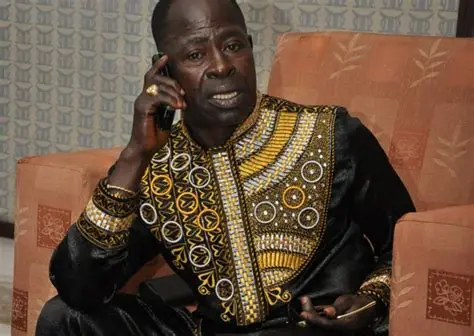
Dan Amakye Dede, popularly known as Amakye Dede, Iron Boy, and Abrantie, is a legendary Ghanaian highlife musician, singer, songwriter, and performer whose music has shaped the genre for more than five decades. Celebrated for his soulful voice, timeless highlife classics, and captivating stage presence, he has earned recognition as one of Ghana’s most influential recording artists.
Born in the Ashanti Region, Amakye Dede built an extraordinary career by creating songs that explore love, perseverance, everyday life, and cultural values, connecting with audiences across Ghana and the global Ghanaian diaspora. His remarkable contributions continue to preserve the rich legacy of highlife music while inspiring new generations of musicians. This article explores Dan Amakye Dede’s biography, music career, achievements, personal life, and lasting legacy.
From his early days as a young composer in a local band to becoming a bandleader, international performer, and cultural figure, Amakye Dede has built a body of work that remains relevant. This biography traces his journey from a small town in Asante Akim through decades of creative output, personal milestones, and continued contributions to Ghanaian music and community life.
Amakye Dede Early Life
Dan Amakye Dede was born on 5 January 1958 in Agogo, a town in the Asante Akim area of the Ashanti Region of Ghana. Agogo sits in the eastern part of the Ashanti Region, roughly eighty kilometres from Kumasi, and forms part of the Asante Akim North Municipal District. The town is known for its rolling landscape, farming communities, and strong traditional structures.
The people of Agogo belong largely to the Aduana clan and maintain a deep connection to their history and customs. One of the important local celebrations is the Akogya Siakwan Festival, which brings the community together in thanksgiving, peace, and remembrance of shared identity.
Growing up in this setting, young Amakye was surrounded by the sounds and values of Ashanti culture. Traditional music, storytelling, and communal gatherings formed a natural part of daily life. His family environment encouraged an early interest in music. He later took the name that honoured one of his maternal grandparents, Nana Kofi Dede, a hardworking figure from an earlier generation. Life in Agogo in the late 1950s and 1960s was modest, centred on farming, trade, and strong family ties. These early experiences of rural Ghanaian life would later appear in the stories and themes of his songs.
As a boy, Amakye showed a clear talent for singing and composing. The Catholic Church community in Agogo also played a role in his formative years. He became involved with the Catholic Youth Organisation, where group singing and disciplined activity helped shape his character and musical ear. The combination of traditional Ashanti culture, church activities, and everyday village life gave him a solid foundation that he carried into his adult career.
Amakye Dede Education
Amakye Dede received his basic education in Agogo. He attended Agogo Roman School, also referred to as Agogo Roman Catholic Primary School. After primary school he continued at St Augustine Middle School and later attended Agogo State Secondary School during the 1960s and early 1970s. These years gave him formal schooling while he continued to develop his interest in music through church and community activities.
Although he did not pursue higher academic studies in music, the education he received in Agogo equipped him with literacy and general knowledge that supported his work as a songwriter. The values of discipline and community service learned in the Catholic school setting remained with him. Many of his later lyrics show careful observation of social issues, relationships, and moral lessons, reflecting both his schooling and the practical wisdom of his upbringing.
Amakye Dede Career
Amakye Dede entered professional music in 1973 when he joined the Kumapim Royals as a composer and vocalist. The band was led by Akwasi Ampofo Agyei, popularly known as AAA, a respected figure in highlife. With the Kumapim Royals, Amakye contributed to several well known songs of the period, including Abebi Bewua Eso, Wanware Me A, Odo Mani Agyina, and Ohohoo Batani. These early experiences taught him the craft of writing, arranging, and performing for live audiences.
After some years with the group, he spent time in Nigeria. There he released the song Jealousy Go Shame, which became a major hit and helped establish his name beyond Ghana. The Nigerian period broadened his musical outlook and gave him confidence to lead his own project.
Formation of Apollo High Kings
In 1980 Amakye Dede formed his own band, the Apollo High Kings, also known as the International Band of Ghana. With this group he took full control of his creative direction. Throughout the 1980s and 1990s the band dominated the highlife scene in Ghana. Amakye wrote and recorded steadily, releasing music that mixed classic highlife rhythms with fresh arrangements. He performed extensively across Ghana and began to tour in neighbouring countries and further afield.
Musical Output and Style Development
Over the course of his career Amakye Dede has released nearly twenty albums. His songs often address themes of love, jealousy, perseverance, social advice, and everyday challenges. In later years he experimented with elements of soca, calypso, lovers rock, and pop while remaining rooted in highlife. This flexibility kept his music appealing to younger listeners without losing the core audience that grew up with his earlier work.
His popular songs include Jealousy Go Shame, Dabi Dabi Ebeye Yie, Akwadaa Wesoa, Iron Boy, Handkerchief, Seniwa, Brebrebe Yi, Mensuro, Mabre, Broken Promises, Nsuo Amuna, Sokoo Na Mmaa Pe, Kose Kose, Mefre Wo, Okyena Sesei, Odo Nfonii, Nka Akyi, M’ani Agyina, and To Be a Man Na War. These tracks have become staples at social gatherings, radio programmes, and live shows.
Albums and key collections associated with his catalogue include:
- Iron Boy
- Bebrebe Yi
- Kose Kose
- Me Fre Wo
- To Be a Man Na Wah
- Adukuro Mu Nsuo
- Akonoba
- The King of Hi-Life Music from Africa
- Abrantie
- Paradise Remix
- Sookoo Remix
- Ma Gye Me Girl
- Krokro Me
Many of these recordings have been reissued or remixed in later years, keeping the music available on modern platforms.
Live Performances and International Reach
Amakye Dede has headlined countless concerts in Ghana and has performed in Nigeria, the United States, the United Kingdom, Germany, Switzerland, and other African countries. His live shows are known for energy, strong band arrangements, and direct connection with audiences. Even in recent years he continues to appear at major events and festivals.
Cultural Recognition and Chieftaincy
In recognition of his contributions, Amakye Dede was installed as a sub-chief in Agogo within the Asante Akim traditional area. This role links his modern musical success with the traditional structures of his hometown and underscores the respect he commands in both artistic and community circles.
Amakye Dede Awards
Amakye Dede has received several important honours during his long career. He won recognition at the Kora Music Awards in South Africa, a major continental platform that celebrates African music. His band also earned ECRAG Band of the Year awards in Ghana during the height of its popularity.
In 2024 he was presented with the Lifetime Achievement Award at the 25th Telecel Ghana Music Awards. The honour acknowledged more than fifty years of consistent creative work and influence on highlife music. The award ceremony included a performance that reminded audiences of the lasting power of his catalogue. These awards reflect both popular appreciation and formal recognition from industry bodies.
Amakye Dede Personal Life
Amakye Dede has been married to Mary Amakye-Dede for more than three decades. The couple met after Mary moved from the Agogo area to Accra. They have four children. One of their daughters, Jenessa, has followed a path in music. She studied at the Institute of Contemporary Music Performance in London and graduated in 2022. The family maintains a relatively private life while remaining connected to Amakye’s public activities.
In addition to his music, Amakye has shown interest in farming as a way to secure his later years. He owns farmland at Dwereso in the Asante Akyem North District. There he cultivates crops, including a significant number of trees, and rears livestock such as turkey, grasscutter, and poultry. He has spoken about the importance of preparing for the future beyond active performing so that he does not depend solely on music income in old age.
He previously owned a popular live music venue in Accra known as Abrantie Spot, named after one of his albums and his common title. The spot became a gathering place for highlife musicians and fans. Ownership later changed, but the name remains associated with his brand. He has also been linked with a similar venue in Agogo in more recent times.
Amakye Dede Musical Style and Influence
Highlife forms the foundation of Amakye Dede’s music. The genre combines Ghanaian traditional rhythms with guitar based arrangements, brass sections, and lyrics often sung in Twi or a mix of local languages and English. His compositions are known for clear melodies, memorable choruses, and stories that ordinary people can relate to. Songs about jealousy, broken promises, hard work, and the search for better days have given his work lasting emotional weight.
He is often called the highlife maestro because of his ability to craft songs that feel both personal and universal. Younger artists in Ghana continue to reference his catalogue, and his recordings remain in regular rotation on radio and at social events. By experimenting with other Caribbean and popular styles while keeping the highlife core, he helped keep the genre open to new influences without losing its identity.
His nickname Iron Boy reflects both his strong vocal delivery and the resilience he has shown across changing musical trends and personal challenges. The title Abrantie, meaning gentleman or young man in Twi, speaks to the respect and approachable image he has maintained with fans.
Amakye Dede Roots in Agogo and the Ashanti Region
Agogo and the wider Asante Akim area form an important part of Amakye Dede’s identity. The Ashanti Region itself is the historic heartland of the Asante people, whose empire once controlled large parts of present day Ghana. The Asante developed a sophisticated political system, rich artistic traditions, and a strong sense of communal identity centred on the Golden Stool. Even after the formal end of the empire, the cultural influence of Asante values, language, and customs remains powerful.
Agogo itself is a town with its own distinct character. It is known for agriculture, education institutions, and a strong traditional authority. The Akogya Siakwan Festival highlights local beliefs about community harmony and the protective role of the Akogya river. Growing up in this environment gave Amakye Dede a deep connection to Twi language, proverbial wisdom, and the rhythms of rural life that later appeared in his songwriting. His later installation as a sub-chief formalised the link between his personal success and the traditional structures of his hometown.
Amakye Dede Business and Later Ventures
Beyond recording and performing, Amakye Dede has invested in business and agriculture. The Abrantie Spot in Accra served for years as a live music venue where he and other highlife artists performed regularly. The venue helped keep live band culture alive in the capital. His farming activities at Dwereso represent a deliberate move toward long term security. By combining crop cultivation with animal rearing, he has created a practical alternative source of income while remaining connected to the land of his home region.
These activities show a practical side to his character. After decades of travelling and performing, he has chosen to plant roots both literally and figuratively in the Ashanti countryside.
Read Also: Ebiere Soberekon Biography: Age, State of Origin, Husband, Wedding Day, Career, Net Worth & Family
Conclusion
Dan Amakye Dede has spent more than fifty years creating music that continues to resonate with Ghanaian audiences and listeners further afield. From his beginnings in Agogo through the formation of the Apollo High Kings and a long list of memorable songs, he has remained a consistent and respected figure in highlife.
His awards, including the Kora recognition and the 2024 Lifetime Achievement Award, confirm the scale of his contribution. At the same time, his roles as husband, father, sub-chief, and farmer reveal a man who balances public success with private responsibility and community ties. His story is one of steady work, cultural rootedness, and lasting creative impact.
FAQs
Who is Amakye Dede?
Amakye Dede is a Ghanaian highlife musician, singer, and songwriter also known as Iron Boy and Abrantie. He has been active in the music industry since 1973.
What is Amakye Dede’s full name and date of birth?
His full name is Dan Amakye Dede, also recorded as Daniel Amakye Dede. He was born on 5 January 1958.
Where was Amakye Dede born?
He was born in Agogo, Asante Akim, in the Ashanti Region of Ghana.
What are some of Amakye Dede’s most popular songs?
Some of his best known songs are Jealousy Go Shame, Iron Boy, Dabi Dabi Ebeye Yie, Brebrebe Yi, Kose Kose, Sokoo Na Mmaa Pe, and To Be a Man Na War.
Is Amakye Dede married?
Yes, he has been married to Mary Amakye-Dede for over thirty years. They have four children.
What awards has Amakye Dede received?
He has received recognition at the Kora Music Awards, ECRAG Band of the Year awards, and the Lifetime Achievement Award at the 2024 Telecel Ghana Music Awards.
Does Amakye Dede still perform?
Yes, he continues to perform at concerts and special events in Ghana and occasionally abroad.
What other activities is Amakye Dede involved in?
He is a sub-chief in Agogo and has engaged in farming at Dwereso, where he grows crops and rears livestock. He previously owned the Abrantie Spot live music venue in Accra.