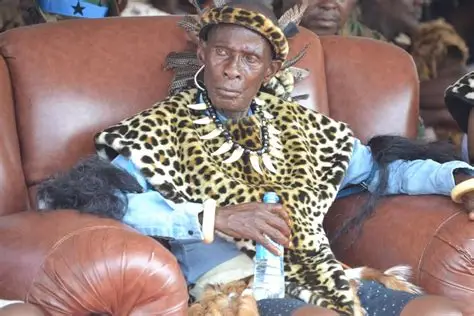
Inyandezulu Inkosi Yamakhosi Mphezeni KaZwangendaba, widely known as Paramount Chief Mpezeni IV, was a revered traditional ruler and the fourth monarch of the Mpezeni dynasty of the Ngoni people in Zambia. Best known for preserving Ngoni customs, promoting cultural unity, and providing traditional leadership for decades, Mpezeni IV became one of the country’s most respected indigenous leaders.
Born as David Njengembaso kaKhuzwayo kaXilowa, he dedicated his reign to safeguarding the history, traditions, and identity of the Ngoni community while fostering peaceful relations with government institutions and neighboring ethnic groups. His enduring influence on cultural preservation and traditional governance continued until his passing on May 30, 2026. This article explores Paramount Chief Mpezeni IV’s biography, early life, reign, achievements, personal life, and lasting legacy.
He served as Inkosi yaMakhosi (King of Kings) of the Ngoni people primarily in Zambia’s Eastern Province, with influence extending to parts of Malawi’s Mchinji district. Mpezeni IV ascended the throne in 1982 and ruled for about 44 years until his death, making him one of Zambia’s longest-serving traditional rulers in the post-independence era. His reign emphasized cultural preservation, national unity, and development while navigating Zambia’s evolving political landscape.
Mpezeni IV stood as a bridge between the rich warrior heritage of the Ngoni and contemporary Zambia. He strengthened traditions like the Nc’wala ceremony while engaging with modern governance. His leadership left a lasting mark on cultural identity, inter-community relations, and the role of traditional authorities in national progress.
Early Life Mpezeni IV
David Njengembaso Jele was born around 1950 or 1951 (some sources specify 20 March 1956) in Efeni village, Chipata District, Eastern Province, Northern Rhodesia (now Zambia). He entered the world into the Jele (Jere) royal house of the Ngoni people.
His father was Paramount Chief Khuzwayo Pontino (Pontiano) Jele, who ruled as Mpezeni III. His mother was Ndlunkulu Tilekane of the Nzima clan from Nyalongo Village in the area of Chief Maguya. Through his paternal line, he descended from Prince Jele kaMfeka of the Ncwangeni Nguni family. His maternal ancestry connected to the Ndwandwe royal house linked to King Zwide, tying the lineage back to deep Nguni roots shared with Zwangendaba himself.
The Ngoni trace their origins to the 19th-century migrations led by Zwangendaba kaHlatshwayo. Zwangendaba, a former general associated with Zulu-era upheavals (Mfecane), led his followers northward from present-day South Africa across vast distances into what is now Zambia, Malawi, Tanzania, and Mozambique. This migration shaped the Ngoni as a resilient, martial society that integrated local groups while preserving Nguni customs, language elements, and governance structures.
Mpezeni IV grew up in Efeni village near Chipata, immersed in royal duties and Ngoni traditions from a young age. As a member of the royal family, he learned about ancestry, warrior history, and community leadership. Before ascending the throne, he worked in a factory in Livingstone, gaining exposure to life beyond the chiefdom and connecting with other parts of Zambia.
This early experience in an industrial setting likely broadened his perspective on development and the needs of ordinary people. He carried this understanding into his later role, balancing tradition with practical progress.
State of Origin and Ngoni Heritage Mpezeni IV
The Ngoni people, including the Mpezeni chiefdom, primarily originate from the Eastern Province of Zambia, centered around Chipata (formerly Fort Jameson). This region features fertile lands, valleys like the Luangwa, and borders with Malawi, reflecting the historical migration paths. The chiefdom extends influence into Malawi’s Mchinji district, underscoring cross-border cultural ties.
The Ngoni settled in the Chipata area in the 1860s under Mpezeni I (originally Ntutu, son of Zwangendaba). They established a society based on agriculture, cattle herding, and organized governance with subordinate chiefs (Amakhosi) grouped into divisions called Izigodi or Mibaya. The area provided strategic advantages for defense and expansion during turbulent times.
Ngoni identity blends Nguni (Zulu-related) elements with local integrations. They speak a language influenced by Nyanja/Chewa but retain cultural practices like warrior dances, hierarchical structures, and ceremonies. The title “Paramount Chief” emerged after colonial interactions, but the traditional title Inkosi yaMakhosi or Inyandezulu better reflects their sovereign heritage. Some Ngoni leaders advocate replacing the colonial-era title with the indigenous one.
The Eastern Province remains the heartland, where annual events draw participants from across the region. This location positions the Ngoni as key players in Zambia’s cultural mosaic, contributing to national identity while preserving distinct history.
Ascension to the Throne Mpezeni IV
Mpezeni III died in June 1981. After the customary mourning period, David Njengembaso Jele succeeded him. He was formally installed as Paramount Chief Mpezeni IV on 19 June 1982 at Ephendukeni Palace. The coronation drew significant attendance, including Zambia’s founding President Kenneth Kaunda and Paramount Chief M’Mbelwa III from Malawi.
At around 31 years old (depending on exact birth year), he assumed leadership of a complex traditional structure overseeing numerous subordinate chiefs. This marked the start of a reign focused on continuity and adaptation.
Career and Leadership Mpezeni IV
Governance and Traditional Authority
As Inkosi yaMakhosi, Mpezeni IV oversaw customary governance, land matters, dispute resolution, and cultural affairs. He worked with subordinate Amakhosi across the chiefdom. His approach emphasized collaboration with the state while upholding royal responsibilities. He served under every Zambian president from Kenneth Kaunda to Hakainde Hichilema, offering counsel on unity, development, and culture.
He advocated for infrastructure like better roads, schools, and agricultural support in Eastern Province. Initiatives such as hybrid cattle breeding received his backing. He promoted education, agriculture, and economic empowerment among his subjects.
Cultural Preservation and the Nc’wala Ceremony
One of Mpezeni IV’s most notable contributions was elevating the Nc’wala (or N’cwala) ceremony. This annual first-fruits festival, held in late February, commemorates the Ngoni migration, honors ancestors, and celebrates harvest and bravery. Under his stewardship, it grew into one of Zambia’s premier cultural events, attracting thousands, including national leaders, diplomats, and international visitors.
He presided over it for decades, starting prominently in 1983. The ceremony features traditional dances, rituals, warrior displays, and symbolic acts. In later years, it expanded with elements like the symbolic Luangwa or Zambezi River crossing, reenacting Zwangendaba’s historic journey. This boosted tourism and cultural exchange.
Mpezeni IV was the first in his line to visit the ancestral Ngoni lands in South Africa, strengthening pan-Ngoni ties across borders with communities in Malawi, Mozambique, Tanzania, and South Africa. He hosted leaders like former South African President Jacob Zuma and attended events such as the coronation of Zulu King Misuzulu kaZwelithini in 2022.
Relations with Government and National Role
Mpezeni IV consistently called for national unity under the “One Zambia, One Nation” motto. He urged politicians to prioritize peace, forgiveness, and development over division. At Nc’wala events, he presented symbolic honors (spear, shield, knobkerrie) to leaders like President Hakainde Hichilema, signifying respect and partnership.
He proposed renaming the Great East Road to Umodzi Highway to symbolize unity. His reign demonstrated how traditional leadership can support modern governance without losing autonomy.
Awards and Recognitions
While specific individual awards are not extensively documented in public records, Mpezeni IV received widespread acclaim and honors for his service. President Hichilema accorded him an official state funeral upon his death, declaring a national day of mourning. This recognition highlighted his contributions to cultural heritage and national cohesion.
His long reign and cultural impact earned praise from governments, traditional peers, and communities. Tributes described him as a unifier, father figure, and defender of heritage. The flourishing of Nc’wala stands as a living legacy and achievement.
Personal Life Mpezeni IV
Mpezeni IV maintained a relatively private personal life focused on family and royal duties. He married, with one wife (a princess) dying in 2009; he later remarried. Reports indicate he had one daughter and grandchildren.
As a royal patriarch, family ties extended across the Jele houses. He upheld Ngoni customs in personal conduct while adapting to contemporary realities. His early work experience and travels informed a grounded approach to leadership.
Legacy Mpezeni IV
Mpezeni IV left a strengthened Ngoni identity and elevated cultural visibility in Zambia. His 44-year reign preserved traditions amid change, promoted development, and fostered unity. The Nc’wala ceremony’s prominence ensures ongoing celebration of Ngoni history.
His death on 30 May 2026 at University Teaching Hospital in Lusaka, at age 75, prompted national mourning. Leaders and citizens remembered him as a steadfast custodian of heritage and a source of wisdom. His burial occurred at the Royal Resting Ground in Feni, Chipata District.
The Mpezeni dynasty continues, rooted in Zwangendaba’s legacy, with Mpezeni IV as a pivotal figure who modernized its role while honoring the past.
Read Also: Ebiere Soberekon Biography: Age, State of Origin, Husband, Wedding Day, Career, Net Worth & Family
Conclusion
Paramount Chief Mpezeni IV guided the Ngoni people through decades of transformation with dignity, wisdom, and commitment to both roots and progress. His life exemplified leadership that unites past and present, contributing enduringly to Zambia’s cultural richness and national fabric.
FAQs
Who was Paramount Chief Mpezeni IV?
Inyandezulu Inkosi Yamakhosi Mphezeni KaZwangendaba, born David Njengembaso Jele, was the fourth monarch of the Mpezeni dynasty and long-serving traditional ruler of the Ngoni people.
When and where was Mpezeni IV born?
He was born around 1950/1951 (or 20 March 1956) in Efeni village, Chipata District, Eastern Province, Zambia.
How long did Mpezeni IV rule?
He ascended in 1982 and ruled for approximately 44 years until his death in 2026.
What is the significance of the Nc’wala ceremony under Mpezeni IV?
He transformed it into a major national and regional cultural event celebrating Ngoni history, harvest, and unity.
Where is the Ngoni heartland associated with Mpezeni?
Primarily Chipata District and surrounding areas in Zambia’s Eastern Province, with ties to Malawi.
Did Mpezeni IV have children?
Yes, including at least one daughter and grandchildren.
What was Mpezeni IV’s approach to national politics?
He collaborated with successive governments, advocated unity, and supported development while maintaining traditional independence.