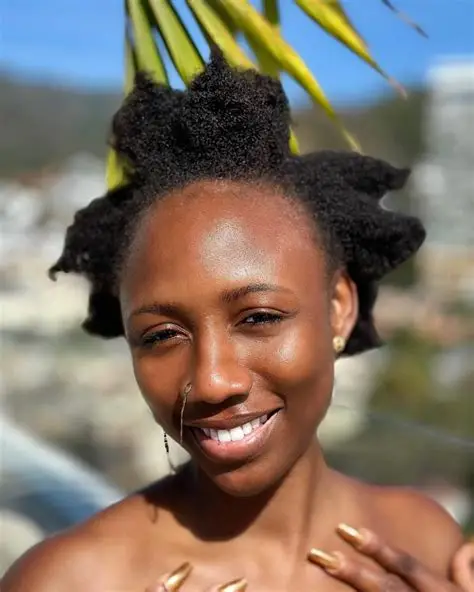
Anita Chukwumfumnaya Obidi, professionally known as Korra Obidi, is a Nigerian singer, songwriter, dancer, actress, model, and digital content creator celebrated for her dynamic talent and global influence in entertainment. Renowned for blending African culture with contemporary music, dance, and social media storytelling, Korra Obidi has built a successful career that reaches audiences across Nigeria, the United States, and beyond.
Born into a family with deep roots in Delta State, she has excelled in Nollywood, international dance competitions, music, and digital media, earning recognition as one of Nigeria’s most versatile entertainers. Her creativity, resilience, and growing online presence continue to shape modern African entertainment. This article explores Korra Obidi’s biography, career, achievements, personal life, and lasting impact.
Her journey reflects a blend of disciplined training creative risk taking and personal resilience. From early appearances as a child performer in Nigerian films to competing on an American television dance program while pregnant and later releasing original music that draws on Afrobeats belly dance and personal storytelling Korra Obidi has remained committed to sharing her heritage through movement and sound. This biography traces her path from family origins in Igbuzo through education career milestones personal challenges and ongoing creative output.
Korra Obidi Early Life
Anita Chukwumfumnaya Obidi was born on 23 June 1991 in Igbuzo also known as Ibusa in Delta State Nigeria. Her full name carries deep cultural meaning. Chukwumfumnaya is an Igbo expression that translates to God loves me. She belongs to the Ogboli clan within Oshimili North Local Government Area and has publicly identified herself as a princess of that lineage tracing descent through her paternal line to Di Okpa Obi Obidi.
Igbuzo sits in the Anioma region of Delta State in the South South geopolitical zone of Nigeria. The community is part of the broader Igbo cultural sphere yet maintains distinct Enuani dialect speech patterns and historical identity. Founded around the mid fifteenth century through successive waves of migration the first led by Edini from Nri and the second by Umejei from Isu the town developed a reputation for courage and communal solidarity.
Local oral tradition remembers the people as those who would forgo food in order to prosecute necessary wars a phrase that captures a spirit of determination still celebrated among Anioma communities. Today Ibusa remains a largely Christian settlement while elements of traditional Odinani practice continue among some residents. The town lies along important routes connecting Asaba and other centers and its people speak a dialect that links them linguistically and culturally to other West Niger Igbo groups.
Although her ancestral home is Igbuzo Korra spent her formative years in Lagos State. She grew up in a family of four children three girls and one boy. Her father Anthony Obidi worked as a banker and her mother Pauline Obidi has since passed away. The household was deeply religious and affiliated with the Deeper Christian Life Ministry.
In that conservative environment dancing was viewed with caution and Korra often practiced in secret so as not to conflict with family expectations. She has spoken openly about the tension between her natural inclination toward movement and the strict moral framework of her upbringing. Church activities provided her earliest structured outlets for singing and simple choreography yet the fuller expression of professional dance remained hidden for years.
Lagos offered a contrasting environment of urban energy Nollywood production houses and emerging entertainment opportunities. As a child she appeared in several Nigerian films establishing an early familiarity with camera work and performance. That exposure planted seeds that would later reconnect when she returned to acting as an adult. The combination of Delta State heritage Lagos city life and a religious household shaped a personality that values both cultural pride and personal freedom.
Korra Obidi Education
Secondary schooling took place at Command Secondary School Ojo in Lagos. The institution is known for its structured environment and military affiliated discipline. After completing secondary education she enrolled at the University of Lagos where she earned a Bachelor of Science degree in Business Education. University life proved pivotal not only for academic training but also for the practical start of her professional dance work.
While studying she began touring with Nigerian artists as a backup dancer. Those early professional engagements taught her stage presence travel logistics and the realities of the entertainment industry. The business education background later supported her independent approach to music releases visual direction and content creation.
Beyond formal schooling Korra pursued specialized dance training across multiple continents and styles. She studied belly dance in Cairo Egypt and in Muscat Oman. She trained in Indian classical Odissi with the Tridhara Dance Company under Priti Mastakar. Contemporary and jazz technique came through Images Theatre and the Body Language Company. In Los Angeles she worked at Millennium Dance Complex under instructors such as Blake McGrath.
Additional experience included African traditional and contemporary forms with companies such as Ijodee Dance African contemporary and XnY Latin dance. She also developed skill as a self taught player of the konga drum. This wide ranging education in movement informs the hybrid style she presents in both performance and music videos.
Korra Obidi State of Origin and Cultural Roots
A full understanding of Korra Obidi requires attention to the place that claims her ancestry. Igbuzo or Ibusa occupies a significant position within Anioma history. Anioma refers to the Igbo speaking communities of Delta State whose identity sits at the intersection of Igbo culture and the broader Niger Delta environment. The town’s founding narratives emphasize migration resilience and the establishment of independent settlements west of the Niger River. Residents historically organized themselves through bipartite social structures reflecting the dual migration stories of Edini and Umejei lines.
Culturally the community values communal festivals traditional titles and oral history. Although Christianity is now dominant traditional practices related to land ancestors and social order persist in modified forms. The Enuani dialect spoken in Ibusa differs in certain phonetic and lexical features from central Igbo yet remains mutually intelligible enough to affirm shared heritage.
Korra has embraced this background publicly describing herself as Delta Igbo and as Princess Chukwufumnanya of the Ogboli clan. Her music and dance often incorporate elements that echo ancestral female entertainers and the rhythmic traditions of southern Nigeria. By living much of her adult life in the United States she has continued to present this heritage to international audiences turning personal origin into a visible part of her artistic brand.
Korra Obidi Career
Korra Obidi’s professional path has unfolded across several interconnected fields. Dance provided the earliest consistent income and public recognition. Music followed as a natural extension of performance. Acting returned after a long pause. Modelling and content creation completed the portfolio. Each area reinforced the others creating a multifaceted public presence that spans Nigeria and the diaspora.
Dance Career
She began serious dance work around 2007. One of her first notable appearances was in a video for Nigerian rapper Sasha P. Over subsequent years she performed with various artists and companies refining a style that mixes African traditional forms contemporary technique Latin social dance and especially belly dance.
The latter became a signature element that distinguished her in both Nigerian and international settings. In 2017 she received a nomination for Best Dancer at the AFRIMMA awards recognizing African achievements in music and related arts. She also performed during the Basketball Africa League season of 2017 to 2018.
A defining television moment arrived in 2019 when she auditioned for the American program So You Think You Can Dance season sixteen. At the time she was approximately six months pregnant. The audition drew attention for both the technical quality of her movement and the unusual circumstance of performing at that stage of pregnancy.
Although she did not advance to the final stages the appearance introduced her to a broader United States audience and generated media coverage including features linked to Yahoo Entertainment and other outlets. After the birth of her children she continued to share dance content online building a substantial following through platforms that reward consistent visual performance.
Training listed on her professional materials includes work at the Nigerian National Theatre traditional African dance African contemporary with Ijodee funk jazz at Millennium Dance Complex Hollywood actors theatre and multiple belly dance intensives. She has performed in locations ranging from the Burj Al Arab in Dubai to stages in Los Angeles and Lagos. The combination of formal technique cultural grounding and social media visibility has sustained her dance career across more than fifteen years.
Music Career
Music became a professional focus in 2015 with the release of the single Man Like You. The accompanying video was directed by Paul Gambit. Subsequent singles included Kilibe featuring Mz Kiss and Vibration featuring Victoria Kimani. In 2016 she released the album Woman Power Series. A second project Sounds From The Throne Room appeared in 2019 and later circulated as an EP with tracks such as Royal Lamba.
Additional releases over the years include 50 50 which gained several million combined views across YouTube Facebook and Instagram and featured her infant daughter June. Later singles and projects encompass Big Korra Cruise Obi We Move EP Love Me Softly Lava and the 2026 album ALA containing tracks such as OYA WASS ARARA ORORO KOMIJE and RAISE AM.
Her sound draws from Afrobeats dancehall reggae and pop while incorporating personal storytelling and visual direction that she often handles herself. She has described inspiration from female ancestral entertainers and from her belly dance background. Streaming platforms list multiple singles and EPs confirming a steady output of independent releases. Live performances and online visualizers continue to support the recorded work.
Film and Acting
As a child Korra appeared in Nollywood productions in the late 2000s. After focusing primarily on dance and music she returned to screen work in 2022 with a role in the film What If. The cast included Alexx Ekubo Bolanle Ninalowo Mercy Ima Macjoe and veteran actress Patience Ozokwor. She has also been credited in the television series Another Ordinary Day The Flatmates and Lumba Boys alongside Francis Duru as well as the musical film Saro. These appearances reconnect her early experience with contemporary Nollywood production standards.
Modelling and Other Work
Modelling credits include runway appearances at Port Harcourt International Fashion Week and GTBank Fashion Week. She competed in the Miss Global pageant in Nigeria and received the Miss Congeniality title. Video cameos include the Black Eyed Peas track Wings and the Orezi and Tekno collaboration Whine For Daddy where she appeared as a featured dancer and visual presence. Content creation across YouTube Instagram and other platforms has become a significant part of her professional activity allowing direct communication with audiences and monetization of dance tutorials music visuals and lifestyle material.
Korra Obidi Awards and Recognition
Formal award recognition includes the 2017 AFRIMMA nomination for Best Dancer. Media coverage has highlighted her appearances on So You Think You Can Dance her return to Nollywood and her independent music releases. She has been featured in outlets such as Punch Nigeria Vanguard CNN African Voices and various entertainment platforms that track Nigerian diaspora talent. While major competitive trophies remain limited the sustained visibility across dance music and digital media constitutes a form of ongoing professional acknowledgment.
Korra Obidi Personal Life
In December 2017 Korra married Dr Justin Dean a chiropractor and sports therapist. The couple welcomed two daughters June Dean and Athena. Public accounts describe the marriage as beginning while she was working in China and continuing after relocation to the United States. The relationship ended in divorce finalized in 2022. Both parties made public statements during the separation process. Korra cited mental health considerations among her reasons for leaving.
Her former husband raised concerns about verbal dynamics and sought custody arrangements. Court proceedings and subsequent social media exchanges attracted significant public attention. Korra has stated that she prioritizes her daughters and her own peace. She continues to reside primarily in the United States while maintaining ties to Nigeria.
Family remains important. She has spoken of her sisters including Nancy Umeh and Charity and of her brother. The loss of her mother Pauline is noted in biographical accounts. Religious upbringing continues to inform aspects of her worldview even as she has pursued a career that diverged from the strictures of her childhood church environment.
Korra Obidi Creative Style and Influence
Observers of her work note a consistent fusion of African rhythmic sensibility with technical dance forms acquired internationally. Belly dance provides fluid isolations and expressive arm work while Afrobeats and contemporary styles supply percussive energy and theatrical presentation. In music she writes and often directs her own visuals drawing on personal narrative and cultural imagery. Social media has amplified this approach allowing her to reach audiences who discover her through short form dance videos and then explore longer music or performance content. The result is a personal brand that emphasizes authenticity cultural pride and physical expressiveness.
Korra Obidi Life in the United States and Ongoing Work
Relocation to the Los Angeles area expanded professional opportunities while introducing the challenges of building a career far from established Nigerian networks. Appearances on American television and collaborations with international artists helped establish visibility. At the same time she has continued to release music that references Nigerian linguistic and cultural elements. Recent projects including the album ALA and singles such as Love Me Softly demonstrate continued creative activity into the mid 2020s. Dance content and live performances remain central to her public output.
Read Also: Ebiere Soberekon Biography: Age, State of Origin, Husband, Wedding Day, Career, Net Worth & Family
Conclusion
Korra Obidi’s biography illustrates the path of an artist who began in a conservative Lagos household with roots in the historic community of Igbuzo and who has navigated dance stages music studios film sets and personal upheaval to sustain a multifaceted career. Her work carries forward elements of Delta State and broader Nigerian culture while engaging global platforms.
Through consistent training independent releases and open communication with audiences she has maintained a presence that spans more than a decade and a half. The combination of ancestral identity technical skill and personal determination continues to define her public life.
FAQs
What is Korra Obidi’s full name and date of birth
Her full name is Anita Chukwumfumnaya Obidi. She was born on 23 June 1991.
Where is Korra Obidi from
She was born in Igbuzo also called Ibusa in Delta State Nigeria and belongs to the Ogboli clan. She was raised primarily in Lagos.
What is Korra Obidi’s educational background
She attended Command Secondary School Ojo in Lagos and later earned a Bachelor of Science in Business Education from the University of Lagos.
Is Korra Obidi married
She was married to Dr Justin Dean from 2017 until their divorce in 2022. They share two daughters.
What are some of Korra Obidi’s notable career moments
Key moments include her 2017 AFRIMMA Best Dancer nomination her 2019 appearance on So You Think You Can Dance while pregnant the release of albums Woman Power Series and Sounds From The Throne Room and her return to Nollywood in the 2022 film What If.
Does Korra Obidi still release music
Yes she continues to release singles and projects including work associated with the 2026 album ALA and earlier EPs and singles such as 50 50 Big Korra and Love Me Softly.