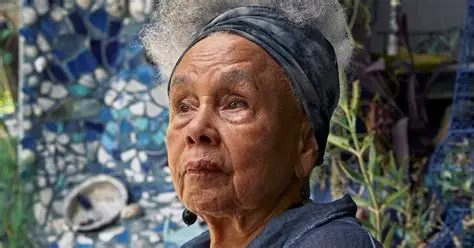
Betye Saar was an influential American artist, printmaker, sculptor, and creator of mixed-media installations whose groundbreaking work reshaped contemporary art. She became widely admired for using personal objects, historical materials, and symbolic imagery to explore themes such as Black identity, family, spirituality, racism, and social change. With a career that lasted more than 60 years, Saar developed a unique artistic style that connected history with powerful visual storytelling and inspired artists across generations.
Her reputation grew internationally through thought-provoking works that examined African American experiences and challenged racial stereotypes. Among her most celebrated creations was The Liberation of Aunt Jemima, a 1972 artwork that became a major piece of the Black Arts Movement and remains one of the most recognized works of protest art in American history. Her collections and exhibitions have been featured in prominent museums, securing her place as one of the most important artists of her era.
In 2026, Betye Saar received renewed global attention following reports of her death on July 26 at the age of 99, shortly before reaching her 100th birthday. Artists, museums, and cultural organizations honored her remarkable contributions and the lasting impact of her creative vision. Her legacy continues through her artwork, which remains a powerful reflection of identity, resistance, and cultural memory.
Betye Saar Early Life and Background
Betye Saar was born Betye Irene Brown on July 30, 1926, in Los Angeles, California, United States. She was raised in a creative and culturally rich environment that helped shape her artistic imagination from an early age. Growing up in Southern California exposed her to different cultures, traditions, and historical influences that later became central themes in her artwork. Her childhood experiences played an important role in developing her interest in storytelling through art.
Saar experienced personal loss when her father, Simon Humpries Brown, died while she was still a young child. She was then raised by her mother, Beatrice Lillian Parson Brown, with the support of her extended family. During her childhood, she spent time visiting relatives and exploring old family possessions, antiques, and heirlooms. These experiences sparked her lifelong fascination with found objects, vintage photographs, and everyday items that would later become defining elements of her assemblage art.
As a young girl, Betye Saar showed a strong interest in drawing, design, and crafts. She enjoyed creating things with her hands and developed a deep appreciation for history, spirituality, and African American culture. Her curiosity about objects and their hidden stories continued to grow throughout her youth. These early influences laid the foundation for the unique artistic style that would make her one of the most respected and influential artists in American history.
Betye Saar Education and Qualifications
Betye Saar received her early education in Los Angeles, California, where she developed an interest in art, design, and creative expression. Although she enjoyed making art from a young age, her initial academic path focused on practical design rather than fine art. Her education provided a strong foundation in drawing, composition, and visual communication, skills that later became essential to her artistic career.
She attended Pasadena City College before enrolling at the University of California, Los Angeles (UCLA). In 1947, she earned a bachelor’s degree in design from UCLA. After completing her degree, she continued expanding her qualifications by studying printmaking, jewelry design, and other artistic techniques through additional courses and workshops. These experiences broadened her technical skills and introduced her to a variety of creative mediums.
Saar’s education and qualifications played a major role in shaping her artistic vision. Her background in design taught her how to combine form, color, and symbolism in meaningful ways. As she continued learning and experimenting, she developed her signature assemblage style by transforming found objects into powerful works of art. Her willingness to keep learning throughout her life helped establish her as one of the most influential figures in contemporary American art.
Betye Saar Career
Betye Saar began her professional career as a designer and printmaker after graduating from the University of California, Los Angeles (UCLA) in 1947. In the early years of her career, she explored printmaking, jewelry design, and mixed-media art while raising her family. She experimented with different artistic techniques and gradually developed a passion for using found objects to tell stories. This creative approach became the foundation of her signature assemblage style.
During the 1960s, Saar shifted her focus to assemblage art, creating three-dimensional works from everyday objects, antique photographs, mirrors, wood, metal, and vintage memorabilia. She believed that ordinary items carried memories and hidden meanings that could be transformed into powerful artistic statements. Her work often explored African American history, spirituality, identity, racism, and the experiences of Black women in the United States. This distinctive style quickly earned her recognition within the American art community.
Saar achieved national and international recognition in 1972 with her groundbreaking artwork, The Liberation of Aunt Jemima. The piece challenged racist stereotypes by transforming the familiar Aunt Jemima figure into a symbol of strength, resistance, and empowerment. It became one of the defining works of the Black Arts Movement and remains one of the most influential pieces in modern American art. The success of this artwork established Saar as one of the leading voices in contemporary assemblage art.
Throughout the following decades, Saar’s work was featured in major museums, galleries, and international exhibitions. Her art became part of the permanent collections of renowned institutions, including the Museum of Modern Art, the Whitney Museum of American Art, the Los Angeles County Museum of Art, the Smithsonian American Art Museum, and many other respected cultural institutions. Her exhibitions attracted audiences around the world and strengthened her reputation as one of America’s most important contemporary artists.
Over a career spanning more than six decades, Betye Saar continued to innovate and inspire new generations of artists. She received numerous honors and lifetime achievement awards in recognition of her contributions to art and culture. Even in her nineties, she remained actively involved in creating new works and participating in exhibitions. Her ability to combine history, memory, symbolism, and social commentary into deeply meaningful artworks secured her place as one of the most influential artists in American history.
Betye Saar Death and Cause of Death
Betye Saar died on July 26, 2026, in Los Angeles, California, United States, at the age of 99, just four days before her 100th birthday. Her death was confirmed by her family and was met with tributes from artists, museums, cultural institutions, and admirers around the world. She was remembered as one of the most influential figures in American contemporary art and a pioneer of the Black Arts Movement.
As of the latest official reports, the exact cause of Betye Saar’s death has not been publicly disclosed. Her family confirmed her passing, but no specific illness or medical condition was announced. She had remained creatively active well into her nineties and continued participating in exhibitions and public events during the final years of her life.
Following her death, museums, galleries, fellow artists, and cultural organizations celebrated her remarkable legacy and lasting influence on American art. Her groundbreaking works, especially The Liberation of Aunt Jemima, continue to inspire conversations about race, identity, history, and social justice. Although she is no longer alive, Betye Saar’s artistic vision and cultural impact remain an enduring part of her legacy.
Betye Saar Personal Life and Family
Betye Saar married Richard Saar, and the couple built a family while she pursued her artistic career. Richard supported her creative ambitions during the early years of her profession, allowing her to balance family life with her growing passion for art. Although their marriage eventually ended in divorce, they remained connected through their children. Saar often spoke about the importance of family and how motherhood influenced her perspective as an artist.
Betye Saar was the mother of three daughters, including acclaimed artists Alison Saar and Lezley Saar, both of whom followed in her footsteps and established successful careers in the art world. Her third daughter, Tracye Saar, also played an important role in preserving and supporting her mother’s artistic legacy. The creative environment within the family encouraged artistic expression, making the Saar family one of the most respected artistic families in the United States.
Outside her family life, Betye Saar was known for her quiet and private personality. She spent much of her life living and working in Los Angeles, where she continued creating art well into her nineties. She enjoyed collecting antiques, vintage photographs, and found objects, many of which became central elements in her artwork. There are no public records indicating that she was engaged to a fiancé after her divorce from Richard Saar, and she remained focused on her family, her artistic career, and mentoring future generations of artists.
Betye Saar Age, Religion, Nationality, Height and Physical Appearance
Betye Saar was born on July 30, 1926, in Los Angeles, California, United States. She died on July 26, 2026, at the age of 99, just four days before her 100th birthday. During her long life, she remained creatively active and continued producing artwork that inspired audiences around the world. Her remarkable career spanned more than six decades, making her one of the most respected figures in contemporary American art.
Betye Saar was an American by nationality and proudly celebrated her African American heritage through her work. Her art explored themes of race, identity, history, spirituality, and social justice, reflecting her deep connection to her cultural roots. Although spirituality played an important role in many of her artworks, her religious beliefs were not publicly disclosed, and she preferred to keep her personal faith private.
Betye Saar’s height was not publicly disclosed. She had a slender build and was easily recognized by her graceful appearance, warm smile, and distinctive gray hair in her later years. She often wore simple yet elegant clothing, allowing her artwork to remain the center of attention. Even in her nineties, Saar maintained a dignified presence that reflected her creativity, wisdom, and lifelong dedication to the arts.
Betye Saar Net Worth
At the time of her death in 2026, Betye Saar’s estimated net worth was between $1 million and $5 million. While she never publicly disclosed her personal finances, this estimate is based on her long and highly successful career as an internationally celebrated artist. Her works have been exhibited in leading museums and galleries, and many of her original pieces have sold for substantial amounts through galleries, auctions, and private collections.
Saar earned her income primarily through the sale of her artwork, museum exhibitions, commissioned projects, print editions, lectures, and artist royalties. As one of the most influential assemblage artists in American history, her works were collected by prestigious institutions and private collectors around the world. The continued demand for her art contributed significantly to her financial success throughout her career.
Although Betye Saar was financially successful, she was known for living a modest and private life rather than displaying great wealth. She remained dedicated to creating meaningful art and inspiring future generations instead of pursuing commercial fame. Following her death, experts believe the value of her original artworks may continue to increase as collectors and museums seek to preserve the legacy of one of America’s greatest contemporary artists.
Legacy
Betye Saar left behind one of the most influential legacies in the history of American contemporary art. Through her innovative use of assemblage, she transformed ordinary found objects into powerful works that explored race, identity, history, spirituality, and social justice. Her groundbreaking approach challenged harmful stereotypes and encouraged viewers to confront difficult aspects of American history. Today, she is recognized as a pioneer whose work changed the direction of modern art.
Saar’s influence extends far beyond her own artistic achievements. She inspired generations of artists, especially African American artists and women, to use their creativity as a tool for storytelling, cultural preservation, and social change. Her iconic 1972 artwork, The Liberation of Aunt Jemima, remains one of the most important pieces in American art history and continues to be studied in museums, universities, and art institutions around the world.
Following her death in 2026, museums, galleries, and cultural organizations paid tribute to her remarkable life and contributions to the arts. Her works continue to be displayed in major museum collections, ensuring that future generations can learn from her vision and creativity. Betye Saar’s legacy lives on through her timeless artworks, her lasting impact on contemporary art, and the many artists she inspired to challenge injustice through creative expression.
Read Also: Ebiere Soberekon Biography: Age, State of Origin, Husband, Wedding Day, Career, Net Worth & Family
Conclusion
Betye Saar left an extraordinary mark on American art through a career defined by creativity, cultural awareness, and fearless storytelling. Her ability to transform ordinary objects into meaningful works of art allowed her to address complex themes of race, memory, identity, and social justice in ways that connected with audiences worldwide. From her early artistic journey in Los Angeles to becoming a globally respected assemblage artist, Saar remained committed to using art as a tool for reflection and change. Although she passed away in 2026 at the age of 99, her influence continues through her iconic creations, museum collections, and the many artists inspired by her vision.
Frequently Asked Questions (FAQs) About Betye Saar
Who was Betye Saar?
Betye Saar was an American artist known for assemblage, printmaking, sculpture, and installation art. She became famous for creating thought-provoking works that examined African American history, spirituality, identity, and social issues.
What made Betye Saar famous?
Betye Saar gained worldwide recognition for her mixed-media artwork and her 1972 masterpiece, The Liberation of Aunt Jemima. The work challenged racist imagery and became one of the most significant pieces associated with the Black Arts Movement.
When was Betye Saar born?
Betye Saar was born on July 30, 1926, in Los Angeles, California, United States.
How old was Betye Saar when she died?
Betye Saar was 99 years old when she died on July 26, 2026, only a few days before her 100th birthday.
What was Betye Saar’s cause of death?
Betye Saar’s official cause of death was not publicly announced by her family at the time of reporting.
What kind of artwork did Betye Saar create?
Betye Saar worked with assemblage, sculpture, printmaking, and installation art. She often used found objects, photographs, textiles, wood, and personal items to create symbolic artworks with historical and cultural meaning.
Who was Betye Saar married to?
Betye Saar was married to Richard Saar. The couple later divorced and had three daughters together.
Did Betye Saar have children?
Yes. Betye Saar had three daughters: Alison Saar, Lezley Saar, and Tracye Saar. Alison and Lezley Saar also became recognized artists.
What was Betye Saar’s nationality?
Betye Saar was American.
Where did Betye Saar receive her education?
Betye Saar studied at Pasadena City College and later graduated from the University of California, Los Angeles (UCLA) with a degree in design in 1947.
What was Betye Saar’s estimated net worth?
Betye Saar’s estimated net worth at the time of her death was between $1 million and $5 million, based on her long and successful career in the international art world.
Why is Betye Saar important in art history?
Betye Saar is remembered as a pioneering figure in contemporary American art. Her innovative use of found materials and her focus on African American experiences helped expand the possibilities of modern art and continue to influence artists, scholars, and audiences around the world.