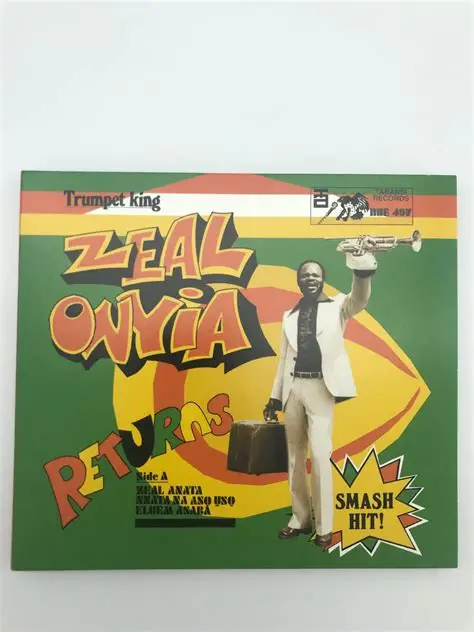
Zeal Onyia was a Nigerian jazz musician, highlife trumpeter, composer, bandleader, and music educator widely regarded as one of the finest brass players in the history of West African music. Best known for his brilliant trumpet technique, rich improvisational style, and contributions to both jazz and highlife, Onyia helped shape the evolution of Nigerian and Ghanaian popular music during the mid-twentieth century.
Born in Asaba, present-day Delta State, Nigeria, he built an illustrious career that blended swing, classic highlife, jazz, and orchestral traditions, earning admiration from audiences across Africa and praise from international music legend Louis Armstrong. His collaborations with leading African musicians and his lifelong commitment to musical excellence secured his place among the pioneers who elevated West African instrumental music to international recognition. This article explores Zeal Onyia’s biography, early life, music career, achievements, family, death, and enduring legacy.
| Quick Facts | Details |
|---|---|
| Full Name | Zeal Onyia |
| Popular Name | Zeal Onyia |
| Date of Birth | 1934 |
| Place of Birth | Asaba, Delta State, Nigeria (then Colonial Nigeria) |
| Date of Death | 29 April 2000 |
| Age at Death | 84 years |
| Nationality | Nigerian |
| Ethnicity | Igbo |
| State of Origin | Delta State |
| Occupation | Jazz Musician, Highlife Trumpeter, Composer, Bandleader, Music Educator |
| Genres | Jazz, Highlife, Swing |
| Primary Instrument | Trumpet |
| Years Active | 1950s to 2000’s |
| Known For | Pioneering Nigerian jazz and highlife trumpet music |
| Notable Collaborations | E. T. Mensah, Bobby Benson, Victor Olaiya, Louis Armstrong (recognition) |
| Education | Trinity College of Music, London |
| Awards & Recognition | Widely recognized as one of Nigeria’s greatest jazz trumpeters |
| Legacy | Influenced generations of Nigerian and Ghanaian jazz and highlife musicians through his innovative trumpet style and lifelong dedication to music. |
Zeal Onyia Childhood
Zeal Onyia was born in 1934 in Asaba, a historic town on the western bank of the River Niger in what is now Delta State, Nigeria. Asaba has long served as a cultural and commercial crossroads for Igbo communities and neighboring groups. The town’s riverside location supported trade, travel, and the exchange of ideas, including musical styles that blended local rhythms with sounds arriving from Lagos, the Gold Coast (later Ghana), and further afield.
Growing up in an Igbo speaking household, Onyia absorbed the rich oral and performance traditions of his people. Igbo music at the time featured energetic percussion, call and response singing, and melodic instruments that would later inform highlife. The broader Nigerian environment of the 1930s and 1940s was one of colonial rule, expanding urban centers, and the gradual rise of recorded music and dance bands. Young musicians in places like Lagos and the Eastern Region found inspiration in both indigenous forms and the swing and jazz records that reached West African ports.
Asaba itself, with its proximity to Onitsha and other Igbo commercial hubs, exposed children of Onyia’s generation to traveling entertainers and the early stirrings of modern popular music. The future trumpeter developed an early fascination with brass instruments. By his teenage years he had begun serious practice on the trumpet, an instrument that demanded both technical control and expressive power. The combination of local cultural confidence and exposure to urban musical currents prepared him for the professional opportunities that awaited in Lagos.
Zeal Onyia Education
Formal musical education in colonial and early independent Nigeria was limited for most aspiring popular musicians. Zeal Onyia learned primarily through practical apprenticeship in working bands rather than through conservatory training in his youth. He absorbed repertoire, improvisation techniques, and stagecraft by playing nightly with established leaders.
Later in life he pursued more structured study. During the 1970s he spent several years in Germany focusing on classical trumpet technique and repertoire. This period refined his tone production, breath control, and understanding of European classical traditions. The classical training did not replace his highlife and jazz foundation. Instead it added polish and range that became audible when he returned to Nigeria and recorded again. His education therefore combined informal mastery gained on Nigerian and Ghanaian bandstands with deliberate classical study abroad, producing a player of unusual versatility.
Zeal Onyia State of Origin and Cultural Roots
Asaba, Zeal Onyia’s birthplace, lies in the Anioma area of Delta State. The region is culturally Igbo, sharing language, customs, and historical ties with neighboring Anambra and other Igbo territories east of the Niger. Asaba has a distinct riverside identity shaped by trade, fishing, and its role as a meeting point between different Nigerian peoples. The town’s history includes precolonial kingdoms, colonial administration, and significant events during the Nigerian Civil War.
Igbo musical culture emphasizes rhythmic complexity, communal participation, and melodic invention. These elements found natural expression in highlife, the pan West African style that mixed local dance rhythms with guitar, brass, and Western song forms. Onyia’s primary language was Igbo, and many of his later recordings carried Igbo titles and themes that celebrated village life, celebration, and identity. His music therefore reflected both the specific character of Asaba and the wider Igbo contribution to Nigerian popular music. Understanding this background helps explain the grounded, celebratory quality that listeners still hear in tracks such as “Zeal Anata” and “Eluem Asaba.”
Zeal Onyia Career
Zeal Onyia’s professional life unfolded in distinct phases that mirrored the evolution of West African popular music from the late colonial period through the oil boom years of independent Nigeria.
Early Years with Bobby Benson
In the 1940s Onyia moved into the Lagos music scene and joined the orchestra of Bobby Benson, one of the most important bandleaders of the era. Benson’s groups played a sophisticated mix of swing, dance music, and early highlife influenced by Duke Ellington and other American jazz figures. Onyia quickly distinguished himself in the trumpet section alongside other strong players. His solos displayed a bright, powerful tone and natural rhythmic drive that suited both ballroom dancing and the emerging Nigerian nightclub circuit. These years established his reputation as a reliable and exciting horn player capable of holding his own in a competitive urban environment.
Highlife Period with E.T. Mensah
By the 1950s Onyia had traveled to the Gold Coast, where he worked with E.T. Mensah, widely regarded as the King of Highlife. Mensah’s Tempos band refined the classic highlife sound that blended Ghanaian and Nigerian elements with Caribbean and jazz influences. Onyia’s trumpet became a central voice in this style. He contributed to the danceable, melodic character that made highlife the dominant popular music across much of West Africa. His time in Ghana also allowed him to absorb different regional approaches and to build a reputation that stretched beyond Nigeria’s borders. He later helped reinvigorate the Melody Aces band in Ghana as co leader and lead trumpeter.
Jazz Ensembles and Competition with Fela Kuti
In the early 1960s Onyia returned to Nigeria and led small jazz oriented groups. These ensembles played a more intimate, improvisational style that stood alongside the early bands of Fela Ransome Kuti. Onyia and Fela even shared stages and solos on occasion, including performances at venues such as the Cool Cats Inn in Lagos. His groups demonstrated that Nigerian musicians could handle modern jazz vocabulary while retaining local rhythmic feeling. Tracks from this period, including early recordings such as “Money Trouble” and “Lumumba,” show a player comfortable with both structured highlife arrangements and freer jazz expression.
Study in Germany and Return
The 1970s brought a major change of direction. Onyia traveled to Germany and devoted several years to classical trumpet study. This immersion in European concert repertoire expanded his technical resources and musical horizons. When he returned to Lagos in 1979 he entered the studio with the Tabansi Studio Band and recorded the album later known as Trumpet King Zeal Onyia Returns. The six tracks blended his classical refinement with highlife energy and Igbo melodic character. Songs such as “Zeal Anata,” “Egwu Olili,” “Eluem Asaba,” “Nnata Na Aso Uso,” “Zaelinjo Nnoa (Welcome),” and “Zeal Eze Opi (Trumpet King)” captured a joyful, sophisticated sound that remains highly regarded. The original vinyl became scarce and sought after by collectors until its later reissue.
Later Bands and Broadcasting Work
After the 1979 sessions Onyia continued performing and organizing groups. He co founded the Rhythm Dance Band with saxophonist Apike Angyankor and later led the Zeal Band in Lagos. These ensembles kept highlife and jazz alive in a changing musical landscape increasingly influenced by Afrobeat, juju, and imported styles. In addition to performing, Onyia worked as a program editor at the Voice of Nigeria radio service, contributing to the documentation and dissemination of Nigerian music and culture. He also created musical interludes for radio stations and participated in major national events, including performances connected with Nigerian independence celebrations and FESTAC 77.
Zeal Onyia Musical Style and Influences
Onyia’s trumpet style combined a strong, centered tone with agile phrasing and a deep sense of groove. Louis Armstrong, upon hearing him during a visit to Nigeria, reportedly described him as the highlife hep cat of Nigerian jazz trumpet or the hep cat in Africa. The comparison was apt. Like Armstrong, Onyia projected personality and rhythmic vitality through the instrument. He absorbed Ellington style swing from his days with Bobby Benson, the melodic clarity of classic highlife from his work with E.T. Mensah, and later the precision of classical training. The result was a flexible voice that could lead a dance band, solo in a jazz combo, or deliver lyrical statements over Igbo highlife rhythms. His playing never sacrificed power for refinement or local feeling for technical display.
Zeal Onyia Notable Recordings and Songs
Among the recordings most closely associated with Zeal Onyia are the tracks from Trumpet King Zeal Onyia Returns. These include Zeal Anata, Nnata Na Aso Uso, Eluem Asaba, Zaelinjo Nnoa (Welcome), Zeal Eze Opi (Trumpet King), and Egwu Olili. Earlier material such as Money Trouble and Lumumba survives through rare transfers of old 78 rpm discs. Additional titles that appear in compilations and reissues include Idegbani and Ogogoro. These pieces range from festive, village oriented celebrations to more instrumental showcases that highlight the interplay between trumpet and supporting ensemble. The 1979 album in particular stands as a high point of late classic Igbo highlife and demonstrates how Onyia synthesized decades of experience into concise, memorable performances.
Zeal Onyia Recognition and Influence
Although formal award lists from the period are sparse, Onyia received one of the most meaningful forms of recognition available to a West African musician of his time: direct admiration from Louis Armstrong. Armstrong’s comments elevated Onyia’s status both at home and among international listeners who followed African music. Fellow Nigerian musicians respected his consistency and leadership. Younger players studied his recordings for tone production, phrasing, and the ability to balance jazz sophistication with dance floor energy. His work helped establish the trumpet as a central melodic and improvisational voice in Nigerian highlife, influencing subsequent generations of brass players. Reissues of his 1979 album in the twenty first century have introduced his music to new audiences and confirmed the lasting quality of his contributions.
Zeal Onyia Personal Life
Public information about Zeal Onyia’s private life remains limited. He maintained a professional focus that kept attention on his music rather than personal publicity. He lived and worked primarily in Lagos during the most active decades of his career, while retaining strong cultural ties to his Asaba and Igbo roots. Friends and colleagues remembered him as a dedicated musician who continued performing and teaching through changing musical fashions. He passed away on 29 April 2000 at the age of approximately sixty six. His death marked the loss of one of the last major links to the foundational generation of Nigerian highlife and jazz.
Zeal Onyia Legacy in Nigerian and West African Music
Zeal Onyia’s career spanned the transformation of West African popular music from colonial dance bands to post independence highlife and jazz. He participated in key scenes in both Lagos and Accra, competed at a high level with emerging stars such as Fela Kuti, and returned from classical study abroad with renewed creative energy. His recordings preserve a moment when Nigerian musicians confidently mixed local language and rhythm with international instrumental techniques. The scarcity of original pressings of Trumpet King Zeal Onyia Returns only increased its status among collectors, while modern reissues have made the music more accessible. Today his name stands alongside other foundational figures who built the modern Nigerian music industry through skill, adaptability, and commitment to excellence on their instruments.
Read Also: Ebiere Soberekon Biography: Age, State of Origin, Husband, Wedding Day, Career, Net Worth & Family
Conclusion
The story of Zeal Onyia reflects the growth of modern Nigerian music during the twentieth century. Through his mastery of the trumpet, he demonstrated that African musicians could successfully combine indigenous rhythms with jazz, swing, and orchestral traditions without losing their cultural identity.
His performances, recordings, and collaborations expanded the possibilities of highlife music and influenced the development of brass playing throughout West Africa. Even years after his passing, his recordings remain valuable references for musicians, historians, and lovers of African music. Zeal Onyia’s contribution extends beyond entertainment, representing a chapter in Nigeria’s cultural history that continues to inspire new generations of performers.
Frequently Asked Questions
What made Zeal Onyia famous?
Zeal Onyia became widely respected for his outstanding trumpet performances and his ability to blend jazz techniques with Nigerian highlife music. His distinctive style earned him recognition as one of the leading instrumentalists of his era.
Which country did Zeal Onyia represent?
He was a Nigerian musician who spent most of his career promoting Nigerian highlife while also performing and collaborating with artists in other West African countries.
What instrument was Zeal Onyia best known for?
The trumpet was Onyia’s signature instrument. His expressive playing and technical ability made him one of the most admired brass musicians in Nigerian music history.
Did Zeal Onyia receive international recognition?
Yes. His talent attracted attention beyond Nigeria, including praise from legendary American jazz musician Louis Armstrong. His career also included periods of study and musical development in Europe.
What are some of Zeal Onyia’s notable recordings?
Among his best-known works is the album Trumpet King Zeal Onyia Returns, a project that highlighted both his musicianship and his enduring contribution to highlife music.
When did Zeal Onyia pass away?
Zeal Onyia died on 29 April 2000, bringing to a close a remarkable career that influenced the direction of Nigerian jazz and highlife music.
Why does Zeal Onyia remain relevant today?
His pioneering approach to trumpet performance, commitment to musical excellence, and role in developing West African highlife continue to inspire musicians, researchers, and audiences interested in the history of African popular music.