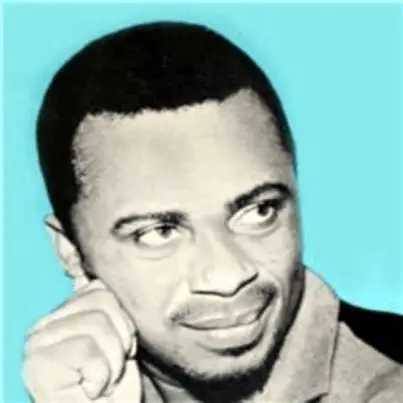
Rex Jim Lawson, popularly known as Cardinal Rex, was a Nigerian highlife singer, trumpeter, songwriter, composer, and bandleader whose music helped define the golden era of West African highlife. Renowned for combining the rich musical traditions of the Niger Delta with sophisticated horn arrangements, he created songs that continue to resonate decades after his passing.
Born in Buguma, present-day Rivers State, Lawson emerged as one of Nigeria’s most celebrated musicians during the 1960s, recording timeless classics that showcased his multilingual artistry and emotional vocal style. Although his career ended prematurely, his influence remains deeply woven into the history of Nigerian highlife, inspiring generations of musicians across Africa. This article explores Rex Jim Lawson’s biography, early life, music career, songs, family, death, and enduring legacy.
His short career left a lasting mark on Nigerian popular music. Songs such as “Jolly Papa,” “So Ala Teme,” “Sawale” and “Yellow Sisi” remain familiar decades after his death. Even today younger artists continue to draw from his melodies and style. This biography traces his life from his difficult childhood in the Kalabari kingdom through his rise to fame, his experiences during the Nigerian Civil War, and the legacy that continues to shape highlife and contemporary Nigerian music.
Quick Facts
| Fact | Details |
|---|---|
| Full Name | Rex Jim Lawson (Erekeosima Jim Lawson) |
| Popular Name | Cardinal Rex |
| Date of Birth | 4 March 1938 |
| Birthplace | Buguma, Rivers State, Nigeria |
| Nationality | Nigerian |
| Occupation | Singer, Songwriter, Trumpeter, Composer, Bandleader |
| Genre | Highlife |
| Languages Sung | Kalabari, Igbo, Ijaw, Efik, Pidgin English, English |
| Years Active | 1950s to 1971 |
| Date of Death | 16 January 1971 |
Rex Lawson Early Life
Rex Jim Lawson was born on 4 March 1938 in Buguma, a historic town in the Kalabari area of present-day Rivers State, Nigeria, then part of British Nigeria. His full birth name was Erekeosima or Erikosima Jim Lawson. The name carried a heavy meaning. His father, a Kalabari chieftain, had lost several children in infancy and believed the new baby would not survive. He therefore gave the child a name that roughly translates as “do not name this one” or “this one is not worthy of a name.”
His mother was Igbo, from Owerri in present-day Imo State. She refused to accept the idea that her son would die. When the young Rex suffered a severe case of smallpox, she sought treatment from medicine men outside the Kalabari community. Her determination paid off. The boy recovered and grew into a strong child, though the early tension between his parents left lasting marks.
Buguma itself is an important cultural centre of the Kalabari people, an Ijaw subgroup known for their riverine lifestyle, fishing traditions, elaborate masquerades and rich oral history. The town sits in the Niger Delta, a region of creeks, mangrove forests and strong community ties. Growing up in this environment, Rex absorbed the rhythms, speech patterns and social values of Kalabari life. These would later appear clearly in his music.
As a boy he lived for a time with his maternal uncle, who introduced him to the trumpet. The instrument quickly became central to his identity. Family accounts describe a child who preferred music to formal schooling and who already showed unusual determination. His father later lost interest in raising him, and the relationship remained strained for years. Rex even took legal action against his father for neglect while still a student. He won the case, yet the personal rift continued until his musical success forced a kind of reconciliation.
By his teenage years he was already performing in local church and school bands. The combination of a difficult home life, the supportive influence of relatives who valued music, and the vibrant cultural setting of Buguma shaped a young man who would later speak through song about love, hardship, morality and community.
Rex Lawson Education
Rex Lawson received his primary education in Buguma. Teachers and family members noted his interest in music far more than academic subjects. After primary school his father and elder sister urged him to continue to secondary school and possibly university. He refused. He believed further formal education would delay or prevent the musical career he already envisioned.
Instead he learned practical musical skills through church and school groups. His sister’s husband, a pastor, enrolled him in the church band and taught him the basics of the trumpet. Around the same period he played with the music band of Christ Army School in Bakana, another Kalabari community. There he met Sunny Brown, a talented trumpeter who would later become a key member of his professional band.
These informal settings gave him the foundation he needed. He developed technique on the trumpet and later the alto saxophone, learned to arrange songs, and gained early stage experience. By the time he left Buguma for Port Harcourt and then Lagos, he already possessed solid practical knowledge of highlife instrumentation and performance.
Rex Lawson Career
Rex Lawson’s professional path began in Port Harcourt, where he joined Lord Eddyson’s Starlight Melody Orchestra as a band boy. He quickly progressed from supporting roles to more prominent positions. In the late 1950s he moved to Lagos, the centre of Nigeria’s entertainment industry at the time. There he played with several leading highlife figures, including Sammy Obot, Bobby Benson, Chris Ajilo and Victor Olaiya. He also performed regularly at venues such as the Independent Hotel in Ibadan on invitations from musicians like Orlando Julius.
Early Professional Experience
These years with established bands taught him stagecraft, arrangement and the commercial side of the music business. He absorbed the big-band highlife style popular in Lagos while keeping the distinctive phrasing and rhythms of his Kalabari background. After a period in Lagos he travelled to Ghana and Cameroon, further refining his sound before returning to Nigeria in the early 1960s ready to lead his own group.
Formation of the Majors Band
Back in Nigeria he formed the Majors Band, later known as the Rivers Men. The group featured strong musicians, among them Sunny Brown on trumpet and alto saxophone and Tony Odili on percussion. The band rapidly gained popularity. Invitations arrived from across Nigeria and from neighbouring countries including Cameroon and Chad. By the mid-1960s Lawson had written more than one hundred songs and had become a household name.
His records received heavy airplay on Radio Nigeria and other stations. Live performances filled clubs and outdoor venues. Fans began calling him Pastor, then Bishop, and finally Cardinal because of the almost religious intensity of his stage presence. In a 1965 interview he explained that the title came from supporters who felt he performed with deep commitment.
Major Hits and Recordings
Some of his best-known songs from this period include “So Ala Teme,” “Yellow Sisi,” “Jolly Papa,” “Gowon Special,” “Bere Bote,” “Ibinabo,” “Angelina Pay My Money,” “Baby Play Me Wayo” and “Sawale.” He recorded in Kalabari, Igbo, Ijaw, Efik, Pidgin English and other languages, making his music accessible to listeners far beyond the Niger Delta.
Albums associated with his name include Abari Biya, Bere Bote, Owuna Derina and Nume Inye. In 1970 he travelled to the United Kingdom and recorded the album Rex Lawson in London. Many of his singles were later compiled into greatest-hits collections that continue to sell and stream.
Musical Style During Peak Years
Lawson stood out for several reasons. While most highlife bands gave the trumpet the leading melodic role, he frequently featured alto saxophone solos. He sang with visible emotion and was known to shed tears on stage while performing deeply personal songs such as “So Ala Teme.” He combined the polished horn arrangements learned in Lagos with the direct, rhythmic feel of Kalabari and broader Niger Delta music. This mix gave his work a distinctive regional flavour that had not previously reached national audiences on the same scale.
Rex Lawson During the Nigerian Civil War
The political crisis of the mid-1960s and the outbreak of the Nigerian Civil War in 1967 disrupted the highlife scene. Many eastern and Niger Delta musicians left Lagos and returned home. Lawson relocated to Buguma and for a time returned to fishing, the traditional occupation of his people.
Biafran authorities later summoned him to Umuahia, where he was placed in charge of a state band. He is reported to have performed the Biafran national anthem at the proclamation of secession and to have recorded the song “Hail Biafra.” After the federal forces regained control of Rivers State he composed a tribute to Major Isaac Adaka Boro and also recorded “Gowon Special” in praise of the federal head of state. These works reflected the difficult choices many artists faced during the conflict.
In May 1968 he and members of his band left Biafran-controlled territory and returned to the Rivers area. The war years tested his resilience but did not end his career. Once relative calm returned he resumed recording and performing.
Rex Lawson Personal Life
Rex Lawson married Regina, later known as Chief Mrs Regina Rex Lawson. She remained a steady presence in his life and outlived him by many years, passing away in October 2008. The couple had several children. Among them were Felix Jim Lawson, who later helped erect a monument in Buguma, and Osima Jim Lawson, born a few months after his father’s death.
Family accounts describe a man who valued his Kalabari roots even while living and working in larger cities. He maintained ties with relatives in Buguma and continued to draw lyrical material from everyday life, family values, love and moral questions. Despite the demands of constant travel and performance, he remained connected to his home community.
His relationship with his father improved once his musical success became clear, though the earlier years of neglect left their mark. Friends and band members remembered him as sociable, determined and deeply committed to his craft, often placing artistic quality above financial gain.
Rex Lawson Musical Style and Themes
Highlife in the 1960s typically featured multiple guitars, a strong horn section and danceable rhythms drawn from Ghanaian and Nigerian sources. Lawson kept these elements while adding a stronger Niger Delta character. His use of Kalabari and related languages and dialects brought the speech patterns and melodic contours of the Delta into the national mainstream.
Themes in his songs ranged from romantic love and domestic advice to social commentary and praise. He could be playful, as in “Jolly Papa,” or deeply reflective, as in “So Ala Teme.” Listeners responded to the sincerity of his delivery. Contemporaries noted that he often appeared moved by his own lyrics while performing.
He also helped popularise the use of Pidgin English in highlife recordings, making the music more approachable for ordinary listeners who might not understand every vernacular language. This choice influenced later generations of Nigerian popular musicians.
Rex Lawson Awards and Honors
During his lifetime formal awards were less common than they are today, yet public recognition was strong. Fans bestowed the titles Pastor, Bishop and finally Cardinal. After his death the Rivers State government named a street after him in the Borokiri area of Port Harcourt. In 2012 the University of Port Harcourt established a Rex Lawson Chair in its music department and began organising annual highlife events in his honour.
In June 2018 the Rivers State government, under Governor Nyesom Wike, commissioned the Rex Lawson Cultural Centre in Port Harcourt. The Ooni of Ife, Adeyeye Enitan Ogunwusi, attended the ceremony. A bronze statue of Lawson holding his trumpet stands in Buguma near his burial site. These tributes reflect the continuing respect for his contribution to Nigerian culture.
Rex Lawson Legacy
More than fifty years after his death, Rex Lawson’s music remains part of everyday Nigerian life. His songs are still played at parties, in clubs and on radio. Contemporary artists have sampled or reinterpreted his work. Flavour N’abania’s hit “Nwa Baby (Ashawo)” draws directly from “Sawale.” Other musicians, including Orlando Owoh, Feladey, Larry Gaaga and Timi Dakolo, have referenced or reworked his material.
His decision to feature Niger Delta languages and rhythms helped open national and regional audiences to sounds that had previously remained local. The combination of emotional singing, strong horn arrangements and accessible lyrics set a standard that later highlife and popular musicians continued to build upon.
The cultural centre, the university chair, the named street and the statue in Buguma ensure that new generations encounter his name. Documentaries and articles continue to explore his life, keeping the story of the boy once considered “unworthy of a name” alive in public memory.
Conclusion
Rex Jim Lawson remains one of the greatest pioneers of Nigerian highlife music and a lasting symbol of the country’s rich musical heritage. From his humble beginnings in Buguma, Rivers State, to becoming the legendary Cardinal Rex, he transformed traditional Kalabari rhythms into timeless highlife classics that continue to inspire musicians across Nigeria and West Africa.
His unforgettable songs, exceptional trumpet skills, and multilingual performances helped shape the evolution of Nigerian highlife and secured his place among the nation’s most influential music icons. Although his life ended tragically in 1971, his legacy lives on through his recordings, public memorials, and the generations of artists who continue to celebrate his work. Rex Jim Lawson’s biography is not only the story of an extraordinary musician but also a testament to the enduring power of Nigerian highlife music.
Read Also: Ebiere Soberekon Biography: Age, State of Origin, Husband, Wedding Day, Career, Net Worth & Family
FAQs
Who was Rex Lawson?
Rex Jim Lawson, known as Cardinal Rex, was a Nigerian highlife singer, trumpeter and bandleader from Buguma in Rivers State. He became one of the most popular highlife artists in Nigeria and West Africa during the 1960s.
When and where was Rex Lawson born?
He was born on 4 March 1938 in Buguma, in what is now Rivers State, Nigeria.
What is Rex Lawson’s full name and nickname?
His full name was Rex Jim Lawson, born Erekeosima or Erikosima Jim Lawson. Fans called him Cardinal Rex or Cardinal Rex Jim Lawson.
What were some of Rex Lawson’s most popular songs?
Well-known songs include “Jolly Papa,” “So Ala Teme,” “Sawale,” “Yellow Sisi,” “Gowon Special,” “Bere Bote,” “Love Adure” and “Ibinabo.”
How did Rex Lawson die?
He died on 16 January 1971 in a car accident on the Asaba–Benin Road while travelling to Warri for a performance. He was 32 years old.
Was Rex Lawson married?
Yes. He was married to Regina Rex Lawson, who died in October 2008. They had several children.
What languages did Rex Lawson sing in?
He sang in Kalabari, Igbo, Ijaw, Efik, Pidgin English and other languages and dialects from Nigeria, Ghana and Cameroon.
What is Rex Lawson’s connection to Rivers State?
He was born and raised in Buguma, a Kalabari town in Rivers State. The state has named a street and a cultural centre after him and established a university chair in his honour.
Did Rex Lawson receive any formal awards?
Formal awards during his lifetime were limited, but he received widespread public recognition. Posthumous honours include a named street, a cultural centre in Port Harcourt, a university chair and a statue in Buguma.
Why is Rex Lawson still important today?
His recordings remain popular, many later artists have drawn from his songs, and he helped bring Niger Delta musical identity into the mainstream of Nigerian highlife. Institutions and public monuments continue to keep his memory active.